
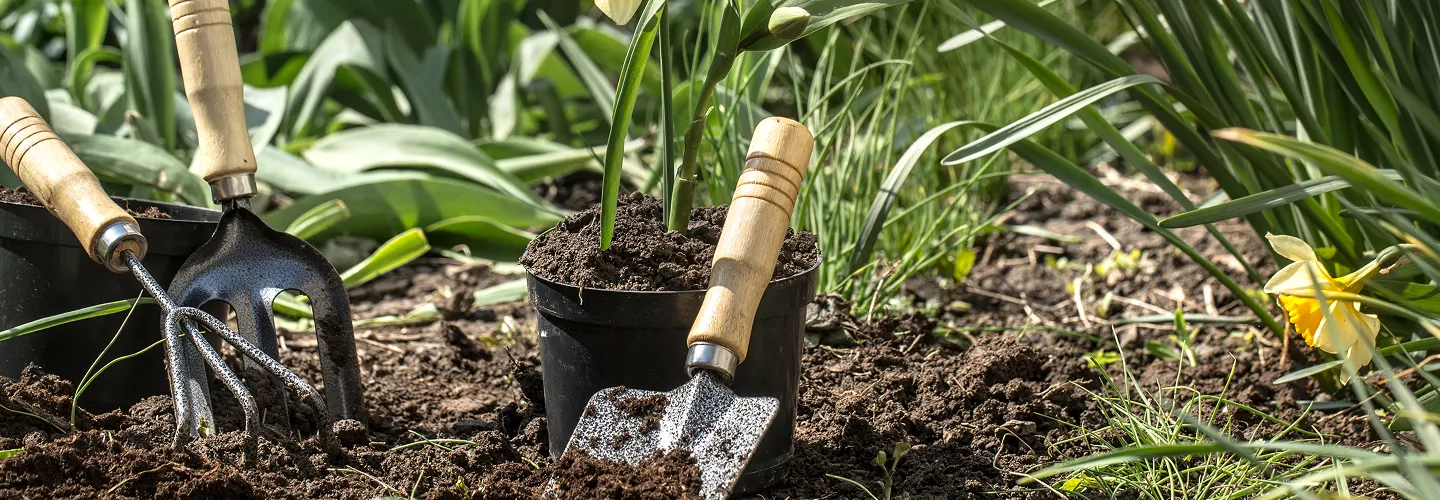
Hamilton Weeding Services
Choose our expert weeding services for a healthier, more vibrant lawn—our experienced team removes unwanted growth efficiently, ensuring your garden thrives and looks its best all season long.
Get a Free QuoteOur Hamilton Landscaping & Yard Care Services
When to Schedule Weeding in Hamilton, Georgia – Seasonal Guide
In Hamilton, Georgia, the timing of weeding is crucial for maintaining healthy, attractive landscapes throughout the year. Thanks to our region’s humid subtropical climate, with warm summers and mild winters, the optimal periods for weeding typically fall in early spring and late summer. Early spring, just after the last frost date, is ideal for targeting weeds before they become established, especially in neighborhoods like Oak Mountain Estates and near the Harris County Courthouse, where shade and moisture can encourage rapid weed growth. Late summer is another key window, as persistent humidity and occasional droughts can stress lawns and gardens, making them more susceptible to invasive species.
Local environmental factors play a significant role in determining the best weeding schedule. For example, areas with dense tree coverage, such as those near Lake Harding, may require more frequent attention due to increased shade and leaf litter. Soil type also matters—Hamilton’s mix of clay and sandy soils can influence both weed types and growth rates. Additionally, municipal guidelines and seasonal precipitation patterns should be considered; for more information on local regulations, visit the official town website.
Local Factors to Consider for Weeding in Hamilton
- Tree density and shade coverage (e.g., Oak Mountain Estates)
- Soil composition (clay vs. sandy areas)
- Frost dates and seasonal temperature shifts
- Precipitation patterns and drought risk
- Terrain and slope of your property
- Municipal restrictions or guidelines
- Proximity to water features like Lake Harding
Benefits of Weeding in Hamilton

Expert Local Knowledge
Efficient Weed Removal
Eco-Friendly Practices
Improved Curb Appeal
Customized Landscaping Solutions
Reliable Year-Round Service
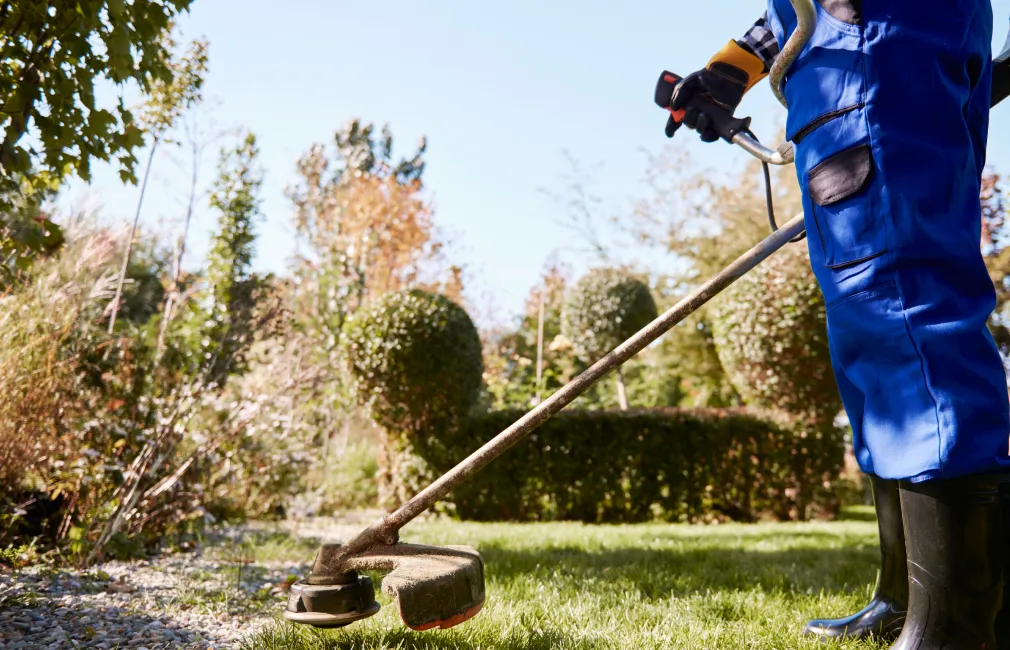
Hamilton Weeding Types

Manual Hand Weeding
-
Chemical Weed Control
-
Mulching for Weed Suppression
-
Flame Weeding
-
Mechanical Weed Removal
-
Organic Weed Management
-
Pre-Emergent Weed Treatments
Our Weeding Process
Site Evaluation
Weed Identification
Targeted Removal
Soil Treatment
Final Inspection
Why Choose Hamilton Landscape Services
-
Hamilton Homeowners Trust Us
-
Expert Lawn Maintenance
-
Reliable Scheduling
-
Competitive Pricing
-
Professional Team
-
Satisfaction Guarantee
-
Personalized Service
How Hamilton's Piedmont Clay Soils Influence Weed Pressure and Removal Methods
Hamilton, Georgia, situated in Harris County along the western Piedmont region, falls within USDA Hardiness Zone 8a. The area's predominant soils—including the Cecil and Pacolet series identified through the USDA Web Soil Survey—are characterized by red clay subsoils with moderate to poor drainage and acidic pH levels typically ranging from 5.0 to 6.0. These conditions directly affect weed establishment and removal strategies. Compacted clay retains moisture near the surface, creating favorable conditions for broadleaf weeds such as dollarweed, chickweed, and clover, while acidic soils encourage moss and certain sedge species. Effective weeding in Hamilton requires understanding these soil dynamics:
- Compacted clay resists deep root extraction, making hand-pulling less effective without prior soil loosening
- Acidic conditions favor weed species adapted to low-pH environments, including broomsedge and sorrel
- Poor drainage zones on clay lots promote nutsedge and other moisture-loving weeds
- Soil testing through UGA Cooperative Extension can identify pH imbalances that contribute to persistent weed problems
Addressing soil compaction and pH correction reduces long-term weed recurrence more effectively than surface removal alone.
Seasonal Weeding Windows and Timing for Hamilton's Long Growing Season
Hamilton's warm, humid climate produces a growing season that extends roughly from mid-March through late October, with soil temperatures remaining above 55°F for much of that period. This prolonged warmth drives multiple weed germination cycles annually, requiring property owners to plan weeding efforts around specific seasonal windows. The National Weather Service Peachtree City office provides local temperature and rainfall data useful for timing decisions. Key seasonal considerations include:
- Late February through March: Winter annual weeds such as henbit and annual bluegrass are actively growing and should be removed before seed set
- April through June: Summer annual weeds including crabgrass, spurge, and chamberbitter germinate as soil temperatures exceed 60–65°F
- July through September: Peak heat and humidity accelerate weed growth; hand weeding is most effective in early morning when soils retain overnight moisture
- October through November: Fall-germinating winter annuals begin establishing and should be addressed before dormancy
Consistent weeding on a two- to three-week cycle during the active season prevents seed production and reduces the following year's weed bank.
Nuisance Vegetation and Code Compliance Under Hamilton's Municipal Ordinances
The City of Hamilton maintains ordinances governing property maintenance, including provisions related to overgrown vegetation and nuisance conditions. Property owners and managers should review the City of Hamilton Code of Ordinances to understand local standards for lot maintenance, as failure to control excessive weed growth on residential or commercial parcels may result in code enforcement action. Common code-related weeding concerns include:
- Overgrown lots visible from public rights-of-way
- Weed encroachment onto sidewalks, drainage ditches, or adjacent properties
- Unmaintained vacant parcels that create nuisance conditions or harbor pests
- Vegetation obstructing sightlines at intersections or along roadway frontage
Property owners who receive notice of a violation should address weed removal promptly and document compliance. For questions regarding specific vegetation height thresholds or enforcement procedures, verify current requirements directly with Hamilton City Hall. Harris County Community Development may also provide guidance on parcels outside city limits but within the broader county jurisdiction.
Harris County Community Development
P.O. Box 365, Hamilton, GA 31811
Phone: (706) 628-4958
Official Website: Harris County Community Development
Protecting Hamilton's Creeks and Drainage Corridors During Weed Removal
Hamilton and surrounding Harris County contain several creeks, drainage corridors, and low-lying areas that feed into the Chattahoochee River watershed. Weed removal activities near these features require careful attention to erosion prevention and water quality protection. The Georgia EPD Watershed Protection Branch oversees water quality standards that apply to activities affecting streams and drainage features. When weeding near waterways, property owners should observe the following precautions:
- Avoid bare-soil exposure along creek banks; remove weeds selectively and leave root systems of stabilizing vegetation intact
- Do not deposit pulled weeds into drainage ditches, storm drains, or creek channels, as decomposing organic matter degrades water quality
- Maintain vegetated buffers of at least 25 feet from creek edges where possible to filter runoff
- Time weeding to dry periods to minimize soil disturbance when saturated ground is prone to erosion
Herbicide use near waterways is subject to Clean Water Act protections and Georgia water quality standards. Only aquatic-labeled products applied by properly licensed professionals should be used within proximity of flowing water or standing water features.
Georgia Pesticide Licensing Requirements for Chemical Weed Control
When weeding services involve herbicide application—whether pre-emergent treatments, post-emergent spot spraying, or broadleaf weed control—Georgia law requires compliance with the Georgia Pesticide Use and Application Act of 1976. Any individual or company applying pesticides for hire must hold appropriate licensure through the Georgia Department of Agriculture. Hamilton property owners should verify the following before authorizing chemical weed control on their property:
- The applicator holds a valid Georgia Commercial Pesticide Applicator License in the appropriate category
- Products are applied according to label directions, including buffer distances from water features and application rate limits
- Pre-emergent herbicides are timed correctly—typically late February to early March for summer weed prevention in Hamilton's climate
- Post-emergent applications target actively growing weeds during appropriate temperature windows (generally 60–85°F for most broadleaf herbicides)
Residents who choose to apply herbicides themselves should use only products labeled for residential use and follow all label requirements, including personal protective equipment and re-entry intervals.
What Neighborhoods Do We Serve Throughout Hamilton, GA?
- Downtown Hamilton Historic Area: Older residential lots near the Harris County Courthouse feature mature shade trees and established beds where ground ivy, violets, and shade-tolerant weeds require consistent manual removal due to dense canopy cover and compacted soils.
- Hamilton Crossing and GA-116 Corridor: Properties along the state route corridor tend toward open, sun-exposed lots where crabgrass, spurge, and chamberbitter dominate during summer months; roadside frontage maintenance is a common concern.
- Mobley Bluff Road Area: Rural-residential parcels with mixed wooded and cleared sections experience weed pressure from woodland edge species including Japanese stiltgrass and Cherokee sedge migrating into maintained areas.
- Mountain Hill Community: Larger lots south of Hamilton with rolling terrain and variable drainage create pockets of nutsedge and dollarweed in low-lying areas where clay soils hold moisture.
- Mulberry Creek Vicinity: Properties near Mulberry Creek and its tributaries require careful weeding practices to prevent erosion and protect riparian buffers from soil disturbance.
- Hamilton Town Park and Surrounding Residential Streets: Homes adjacent to Harris County Recreation facilities maintain visible frontage where code-compliant weed management supports neighborhood appearance and public safety sightlines.