
Hamilton Hedging Services
Choose our professional hedging services for precise shaping, healthy growth, and a lush, beautiful landscape that enhances your property's curb appeal and privacy year-round.
Get a Free QuoteOur Hamilton Landscaping & Yard Care Services
When to Schedule Hedging in Hamilton, Georgia – Seasonal Guide
In Hamilton, Georgia, timing your hedging services is crucial for maintaining healthy, attractive landscapes. The region’s humid subtropical climate, with its warm summers and mild winters, means that most hedging is best performed in late winter to early spring—after the last frost but before new growth begins. This timing helps minimize plant stress and encourages robust regrowth, especially in neighborhoods like Lake Harding and near the Hamilton Historic District, where mature hedges are common.
Local environmental factors play a significant role in determining the best schedule for hedging. For example, areas with dense shade from mature oaks or pines, such as those near Harris County High School, may require different timing than sunnier, open lots. Soil type also matters; Hamilton’s well-drained sandy loam supports healthy root systems, but drought risk during late summer can stress plants if hedging is done too late. Always consider municipal guidelines and local resources like the Sudbury town website for updates on community landscaping recommendations.
Local Factors to Consider for Hedging in Hamilton
- Proximity to frost dates (typically late March)
- Risk of summer drought and heat stress
- Humidity levels affecting plant recovery
- Shade coverage from mature trees
- Soil drainage and composition
- Tree and shrub density in your yard
- Terrain and slope impacting access
- Municipal restrictions or neighborhood association guidelines
Benefits of Hedging in Hamilton
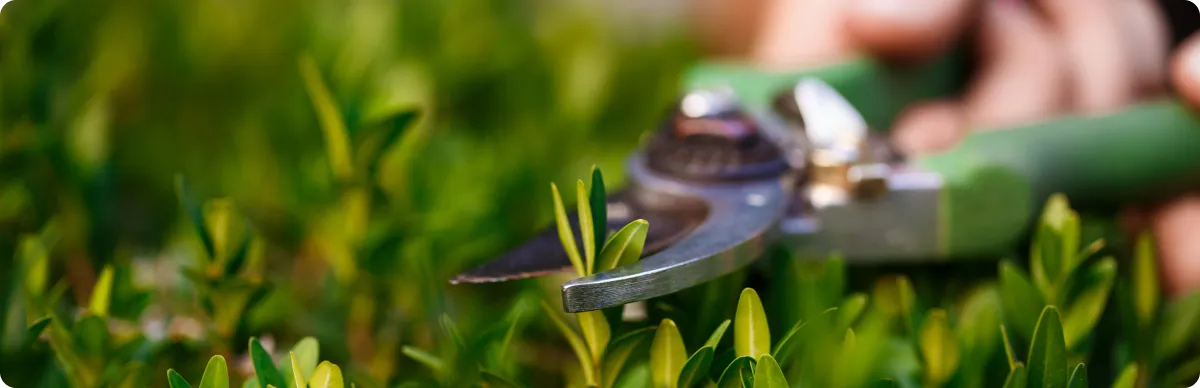
Enhanced Property Privacy
Improved Curb Appeal
Natural Wind Protection
Low Maintenance Solutions
Increased Property Value
Expert Local Knowledge
Hamilton Hedging Types

Boxwood Hedges
-
Privet Hedges
-
Yew Hedges
-
Beech Hedges
-
Cedar Hedges
-
Laurel Hedges
-
Hornbeam Hedges
Our Hedging Process
Consultation and Planning
Site Preparation
Precise Trimming
Cleanup and Inspection
Why Choose Hamilton Landscape Services
-
Hamilton Homeowners Trust Us
-
Expert Lawn Maintenance
-
Reliable Scheduling
-
Competitive Pricing
-
Professional Team
-
Satisfaction Guarantee
-
Personalized Service
Selecting Heat-Tolerant Hedge Species for Hamilton's Piedmont Clay Soils
Hamilton sits within USDA Hardiness Zone 8a, where summer temperatures regularly exceed 90°F and the predominant soils belong to the Cecil and Pacolet series—well-drained but heavy red clay Ultisols with acidic pH levels typically ranging from 4.5 to 6.0. These conditions directly influence which hedge species establish successfully and maintain dense form over time. Property owners should prioritize species adapted to both clay retention and extended warm-season humidity. Recommended options include:
- Ligustrum sinense (Chinese Privet) — note that this species is classified as invasive by UGA Extension - Invasive Species; native alternatives are strongly preferred
- Ilex vomitoria (Yaupon Holly) — drought-tolerant, acidic-soil adapted, excellent for formal or informal hedges
- Myrica cerifera (Southern Wax Myrtle) — fast-growing, tolerant of clay and periodic wet conditions
- Buxus sempervirens (American Boxwood) — suitable for well-drained, amended beds in partial shade
Soil testing through the UGA Cooperative Extension Harris County office can confirm pH and nutrient levels before planting. Amending clay soils with composted organic matter at a depth of 12–18 inches improves root establishment and long-term hedge density.
Property-Line Visibility and Hedge Setback Compliance in Hamilton
Hedges planted along property boundaries, road frontages, and intersections in Hamilton must comply with local sightline and setback requirements. The City of Hamilton Code of Ordinances governs vegetation that may obstruct visibility at street corners, driveways, and public rights-of-way. Overgrown hedges that encroach into sidewalks or impede traffic sightlines may trigger code enforcement action. Property owners and managers should observe the following general practices:
- Maintain hedge height below 3 feet within sight triangles at intersections and driveway exits, unless local code specifies otherwise
- Keep hedges trimmed back from sidewalks, utility easements, and public right-of-way boundaries
- Verify property line locations with a current survey before installing new hedges along shared boundaries
- Confirm any frontage or setback requirements with the City of Hamilton Planning Commission before planting hedges that may affect zoning compliance
Residents should verify current thresholds and enforcement procedures directly with the city, as specific numerical requirements may vary by zoning district.
Optimal Hedge Trimming Timing for Hamilton's Extended Growing Season
Hamilton's long warm season—typically extending from mid-April through mid-October—drives vigorous hedge growth that requires carefully timed maintenance. The National Weather Service Peachtree City forecast office serves Harris County and provides frost date and temperature data relevant to pruning schedules. Key timing considerations include:
- Late February to early March: Perform major structural pruning on deciduous and broadleaf evergreen hedges before spring flush, while plants remain semi-dormant
- Late May to early June: Execute the first shaping trim after the initial spring growth surge has hardened off
- Mid-August to early September: Complete a final shaping trim before fall dormancy begins; avoid heavy pruning after September 15 to prevent tender new growth vulnerable to early frost
- November through January: Limit activity to removal of dead, damaged, or diseased branches only
Hedges trimmed during active growth periods should be cut no more than one-third of current season's growth to avoid stress. For flowering hedges such as Loropetalum, delay trimming until immediately after bloom to preserve the following year's flower buds. The USDA Plant Hardiness Zone Map confirms Hamilton's Zone 8a classification, where the average annual extreme minimum temperature ranges from 10°F to 15°F.
How Hamilton's Stormwater Drainage Patterns Affect Hedge Placement and Care
Hamilton is located within the Chattahoochee River watershed, and local drainage flows through several small creeks and tributaries within and adjacent to city limits. Hedge installations near drainage ditches, stormwater conveyances, and low-lying areas require attention to both root zone moisture and environmental compliance. The Georgia EPD Watershed Protection Branch oversees water quality standards that apply to land-disturbing activities, including large-scale hedge removal or installation that exposes bare soil.
Property owners should consider the following when managing hedges near drainage features:
- Avoid removing established hedges along creek banks or drainage swales without assessing erosion risk; root systems stabilize soil and filter runoff
- Do not deposit hedge trimmings, clippings, or debris into drainage ditches, storm drains, or creek channels
- When applying fertilizer to newly planted hedges, maintain a minimum 25-foot untreated buffer from any flowing water or stormwater inlet
- Use organic mulch (2–3 inches deep) around hedge bases in sloped areas to reduce soil erosion and retain moisture
The Harris County Public Works and Road Department maintains county drainage infrastructure and can advise on right-of-way boundaries near roadside ditches.
Harris County Public Works and Road Department
P.O. Box 365, Hamilton, GA 31811
Phone: (706) 628-4958
Official Website: Harris County Public Works and Road Department
Disposing of Hedge Trimmings and Green Waste in Hamilton
Hedge maintenance generates substantial volumes of woody debris and leaf material, particularly during spring and late-summer trimming cycles. Hamilton does not operate a municipal curbside green waste collection program comparable to larger Georgia cities, so property owners and contractors must arrange proper disposal independently. The following practices apply:
- Bundling: Woody hedge trimmings should be cut to lengths of 4 feet or less and bundled with biodegradable twine for transport
- Hauling: Residents may transport green waste to the Harris County convenience centers; verify current hours and accepted materials with Harris County Community Development
- On-site composting: Small volumes of leafy hedge clippings can be composted on-site in a designated area away from property lines and drainage features
- Prohibited disposal: Do not burn hedge debris within city limits without confirming current burn regulations with City of Hamilton Public Safety; open burning restrictions may apply seasonally, and the Georgia Forestry Commission regulates outdoor burning statewide
Contractors performing large-scale hedge removal should plan for off-site hauling and confirm disposal site requirements before beginning work.
What Neighborhoods Do We Serve Throughout Hamilton, GA?
- Downtown Hamilton Historic District: Older residential lots with mature boxwood and privet hedges often requiring careful restoration pruning; narrow setbacks and sidewalk proximity demand precise trimming to maintain code-compliant clearances.
- Hamilton Crossing: A newer subdivision with uniform lot sizes where HOA standards frequently dictate hedge species, height, and maintenance frequency; Cecil clay soils require soil amendment for successful hedge establishment.
- Mobley Bluff Area: Larger wooded lots along elevated terrain where hedges serve as windbreaks and privacy screens; Pacolet series soils on slopes necessitate erosion-conscious planting and mulching practices.
- GA-116 Corridor Properties: Residential and mixed-use parcels along the state route where right-of-way sightline compliance is critical; hedges must be maintained below visibility thresholds near driveways and intersections.
- Mulberry Creek Vicinity: Properties near this drainage corridor face periodic wet conditions; hedge species selection must account for seasonal soil saturation, and trimming debris must be kept clear of the creek channel and adjacent stormwater features.
- Mountain Hill Road Residential Area: Semi-rural lots with established native shrub borders; periodic hedge maintenance addresses encroachment into utility easements and maintains access for county road maintenance equipment.