
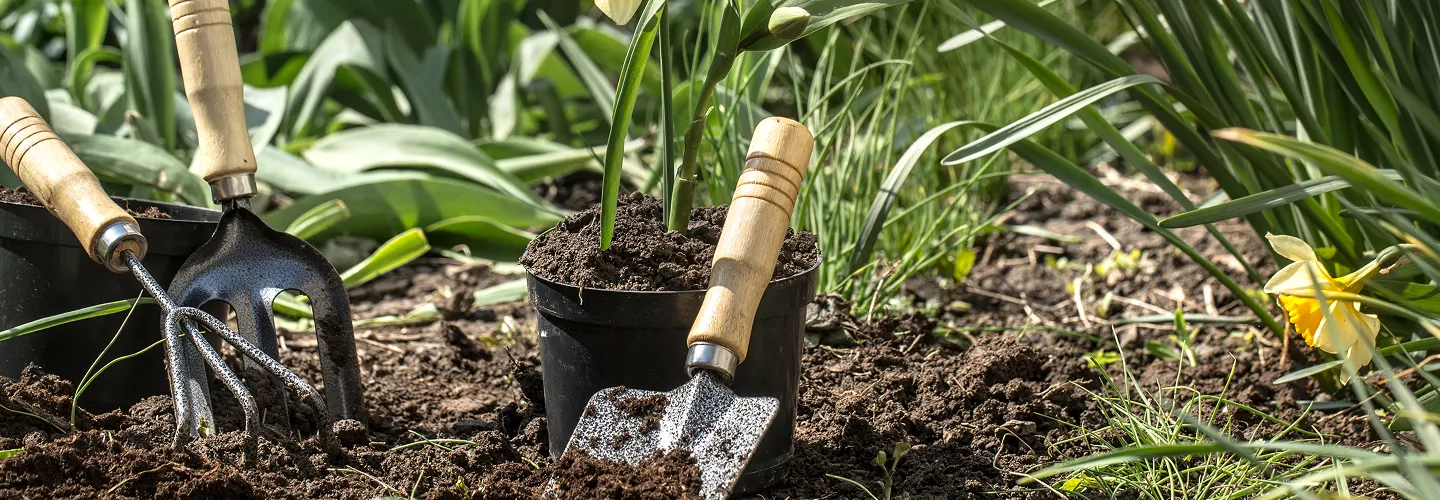
Hamilton Plant Removal Services
Choose our plant removal experts for reliable, eco-friendly solutions that restore your landscape’s beauty while saving you time and effort.
Get a Free QuoteOur Hamilton Landscaping & Yard Care Services
When to Schedule Plant Removal in Hamilton, Georgia – Seasonal Guide
In Hamilton, Georgia, timing your plant removal project is crucial for both the health of your landscape and the efficiency of the process. The region’s humid subtropical climate means that late winter through early spring—after the last frost but before new growth begins—is often the optimal window for most plant removals. This period allows for easier root extraction and minimizes disruption to surrounding vegetation. Neighborhoods near Lake Harding or the shaded lots around Hamilton Square may experience unique microclimates, so it’s important to consider local conditions such as soil moisture and shade coverage.
Environmental factors like unpredictable spring rains, summer drought risk, and the heavy clay soils common in areas like Mountain Hill can all impact the best timing for removal. Additionally, municipal guidelines and local ordinances—sometimes referenced on official sites like the Town of Sudbury—may affect when and how plant removal can be performed. Consulting with a local expert ensures your project aligns with both seasonal best practices and community standards.
Local Factors to Consider for Plant Removal in Hamilton
- Tree and shrub density in your yard
- Terrain slope and soil type (e.g., clay-heavy or sandy soils)
- Average precipitation and risk of drought
- Frost dates and seasonal temperature swings
- Shade coverage from mature trees or nearby structures
- Municipal restrictions or permit requirements
- Proximity to local landmarks or water features
Benefits of Plant Removal in Hamilton
Expert Landscaping Services
Efficient Plant Removal
Eco-Friendly Disposal
Improved Curb Appeal
Safe and Reliable Team
Customized Solutions
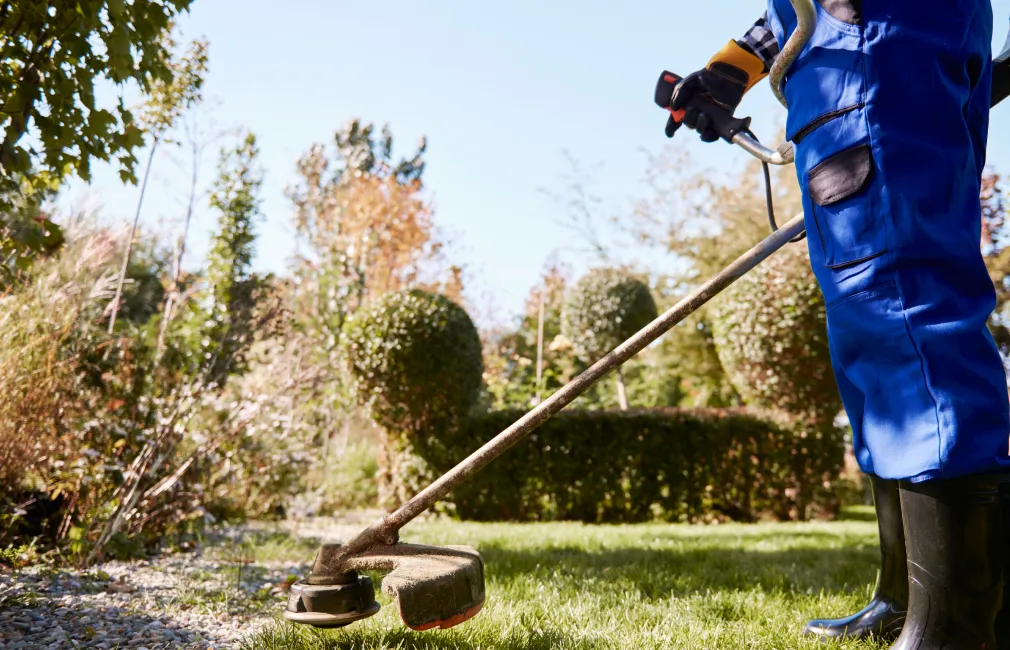
Hamilton Plant Removal Types

Tree Removal
-
Shrub Removal
-
Stump Grinding
-
Hedge Removal
-
Invasive Species Removal
-
Root System Extraction
-
Overgrown Vegetation Clearing
Our Plant Removal Process
Site Evaluation
Preparation and Safety Measures
Plant Extraction
Debris Removal
Site Restoration
Why Choose Hamilton Landscape Services
-
Hamilton Homeowners Trust Us
-
Expert Lawn Maintenance
-
Reliable Scheduling
-
Competitive Pricing
-
Professional Team
-
Satisfaction Guarantee
-
Personalized Service
Identifying Invasive and Nuisance Plants Common to Hamilton's Piedmont Landscape
Hamilton sits within Georgia's western Piedmont region in USDA Hardiness Zone 8a, where warm, humid summers and mild winters allow aggressive plant species to establish quickly. Property owners should be aware of several invasive species that frequently require professional removal in this area:
- Kudzu (Pueraria montana) — capable of growing up to one foot per day in summer, smothering native vegetation and structures
- Chinese privet (Ligustrum sinense) — a persistent understory invader common along Hamilton's wooded lot edges and creek corridors
- Japanese honeysuckle (Lonicera japonica) — spreads rapidly through fence lines, hedgerows, and unmaintained borders
- English ivy (Hedera helix) — damages trees and masonry when left unchecked on older Hamilton properties
The UGA Cooperative Extension and the UGA Extension Invasive Species program maintain identification guides and management recommendations specific to Georgia's Piedmont. Accurate identification before removal is essential, as some native species resemble invasive look-alikes and may warrant preservation rather than extraction.
How Hamilton's Cecil and Pacolet Clay Soils Affect Root Extraction and Site Restoration
Hamilton's predominant soils belong to the Cecil and Pacolet series, both Piedmont Ultisols characterized by red clay subsoils, moderate to low permeability, and acidic pH levels typically ranging from 4.5 to 6.0. These conditions directly influence plant removal methods and post-removal site stabilization. Deep-rooted invasive species such as privet and wisteria anchor extensively in compacted clay, making mechanical extraction more labor-intensive than in sandier soils. Key considerations include:
- Root fragmentation risk: Clay soils grip root systems tightly, and incomplete removal often leads to regrowth from retained root segments
- Soil compaction from equipment: Heavy machinery on wet clay causes lasting compaction that impairs drainage and future planting success
- Erosion vulnerability after removal: Bare clay slopes shed water rapidly, requiring immediate stabilization with erosion blankets, straw mulch, or temporary seeding
Property owners can verify site-specific soil characteristics through the USDA Web Soil Survey. Scheduling removal during drier periods — typically late September through November — reduces compaction damage and erosion risk on Hamilton's clay-heavy lots.
Navigating Hamilton's Code of Ordinances and Harris County Review for Plant Removal Projects
Plant removal projects in Hamilton may be subject to municipal ordinances and county-level review depending on scope, location, and proximity to public infrastructure. The City of Hamilton Code of Ordinances governs property maintenance standards, nuisance vegetation, and right-of-way clearance within city limits. Property owners should verify current requirements before initiating large-scale clearing, particularly on parcels adjacent to roadways, drainage easements, or utility corridors.
For projects involving land disturbance exceeding one acre, or those near streams and drainage features, coordination with Harris County Community Development may be necessary to ensure compliance with erosion and sediment control requirements. The City of Hamilton Planning Commission should be consulted when plant removal is part of a broader site development or grading plan. Key steps include:
- Reviewing the city's nuisance vegetation and property maintenance provisions before removal
- Confirming whether the project triggers land disturbance permitting at the county level
- Ensuring debris disposal complies with local hauling and dumping regulations
- Coordinating with city utilities if removal occurs near water or sewer infrastructure
City of Hamilton Code of Ordinances
100 Town Square, Hamilton, GA 31811
Official Website: City of Hamilton Code of Ordinances
Protecting Hamilton's Creek Corridors and Stormwater Infrastructure During Plant Removal
Hamilton is situated within the Chattahoochee River watershed, and several unnamed tributaries and drainage channels run through residential and rural parcels within city limits. Plant removal near these features requires careful attention to erosion prevention and water quality protection. The Georgia EPD Watershed Protection Branch enforces state-level buffer requirements, and disturbing vegetation within 25 feet of state waters without proper controls may constitute a violation.
Practical precautions for plant removal near Hamilton's waterways include:
- Installing silt fencing or fiber rolls downslope of the work area before any clearing begins
- Avoiding herbicide application within 50 feet of streams, drainage ditches, or stormwater inlets to prevent chemical runoff
- Retaining native root systems along stream banks where possible, removing only the targeted invasive canopy
- Stabilizing exposed soil within 48 hours of removal using temporary seed, mulch, or erosion blankets
The Harris County Public Works and Road Department maintains drainage infrastructure along county roads, and property owners should notify this department if plant removal work occurs near roadside ditches or culverts to avoid obstructing stormwater flow.
Harris County Public Works and Road Department
Official Website: Harris County Public Works and Road Department
Georgia Pesticide Licensing Requirements for Chemical Plant Removal Methods
When plant removal involves the application of herbicides — particularly for species like kudzu, privet, or Japanese stiltgrass that resist mechanical-only removal — Georgia law requires that commercial applicators hold valid licensure. The Georgia Pesticide Use and Application Act of 1976 mandates that any person applying restricted-use pesticides for hire must be licensed through the Georgia Department of Agriculture. Property owners hiring contractors for chemical plant removal in Hamilton should verify the following:
- The applicator holds a current Georgia Commercial Pesticide Applicator License in the appropriate category
- Herbicide labels are followed precisely, including buffer distances from water features, application rate limits, and re-entry intervals
- Cut-stump and basal bark treatments — common for privet and woody invasive removal — use only products labeled for that method
- Application records are maintained as required by state law, including product name, EPA registration number, rate, date, and location
Residents performing their own plant removal with over-the-counter herbicides are not required to hold a license but must still comply with all label directions, which carry the force of federal law under FIFRA. The Georgia Department of Agriculture - Agricultural Pest Control provides additional guidance on compliant herbicide use.
What Neighborhoods Do We Serve Throughout Hamilton, GA?
- Downtown Hamilton / Town Square Area: Older residential lots with mature hardwoods, established ornamental plantings, and occasional privet or honeysuckle encroachment along property boundaries and alley edges. Compact lot sizes may require hand-removal methods rather than heavy equipment.
- GA-116 Corridor Properties: Parcels along this corridor often feature larger lot sizes with wooded edges where kudzu and wisteria establish along tree lines. Proximity to roadside drainage ditches requires erosion precautions during clearing.
- Mobley Bluff Area: Rolling terrain with Cecil clay soils and moderate slopes creates erosion risk after plant removal. Properties near creek drainages should prioritize immediate soil stabilization.
- Harris County Recreation District Vicinity: Properties adjacent to Harris County Recreation facilities and park land may border maintained greenways where invasive species migrate between managed and unmanaged parcels.
- Mountain Hill Road Residential Areas: Rural-residential lots with significant tree canopy and understory invasive pressure, particularly Chinese privet and Japanese honeysuckle in shaded, moist areas along seasonal drainages.
- Mulberry Creek Watershed Properties: Lots within this sub-watershed require heightened attention to buffer protection and sediment control during any vegetation clearing to maintain compliance with Georgia water quality standards.